

Poor Cheese Storage Habits Are Driving Food Waste. Here's What's Actually Going Wrong

Formaticum Logo
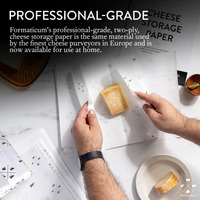
Formaticum Cheese storage
Most households store cheese in plastic wrap, which speeds spoilage. Learn better storage methods to keep cheese fresh longer and reduce food waste.
NY, UNITED STATES, August 5, 2026 /EINPresswire.com/ -- Cheese is one of the most wasted foods in the average household refrigerator. It spoils before it's finished and gets thrown out half-eaten, and the culprit is almost always the same: how it was stored. With food waste drawing increasing attention as an environmental concern, the humble habit of reaching for plastic wrap is coming under sharper scrutiny.The problem isn't that people don't care about their cheese. It's that plastic wrap and other conventional non-porous storage materials are genuinely bad for it. Cheese is a living product. It needs oxygen exchange and controlled humidity to stay in prime condition after it's been cut. Sealed in plastic, it suffocates. Moisture accumulates, surface molds take hold faster, and the flavor profile the cheesemaker worked to develop collapses into something flat,bitter, or worse. Consumers toss it and move on, often without connecting the spoilage to the storage choice that caused it.
This cycle plays out in kitchens everywhere. Grocery trips yield wedges of quality cheese that last a week at most before they go off. Each discarded piece represents not just wasted money, but the energy, water, and agricultural resources that went into producing it. At a time when households are increasingly mindful of reducing food waste, cheese storage is a gap that most sustainability-focused conversations haven't yet caught up on.
The fix is straightforward. Cheese storage paper and cheese storage bags designed for breathability maintain the right moisture balance without sealing out the oxygen that cheese depends on. These materials allow humidity to remain stable while preventing the water buildup that drives surface mold growth. Cheese wrapped correctly stays true to its intended texture and flavor for significantly longer, reducing how often it needs to be discarded before it's finished.
Rewrapping cheese after purchase is one of the most effective and overlooked steps a household can take. Buying pre-cut cheese wrapped in plastic from the grocery case is fine. But leaving it in that packaging once it's home is where the clock starts running faster than it needs to. The same logic applies after partial use. Rewrapping tightly in breathable cheese storage paper, or placing the remainder in a proper cheese storage bag, resets the conditions and extends the cheese's usable life considerably.
Proper storage also matters at the individual piece level. Different cheeses shouldn't be wrapped together. Their flavors interact, and the microenvironments they each need differ enough that grouping them accelerates decline for both. One piece, one wrap, with the surface cleaned before re-refrigerating if left out at room temperature.
The sustainability conversation around food waste tends to focus on produce, meat, and leftovers. Cheese is quieter in that discussion, but how often it's thrown out before it's finished suggests it deserves more attention. The tools to address it are simple and accessible. The shift is mostly about knowing that plastic wrap and cheese have never been a good match.
Formaticum
Formaticum
+1 800-830-0317
email us here
Visit us on social media:
Instagram
Facebook
YouTube
Legal Disclaimer:
EIN Presswire provides this news content "as is" without warranty of any kind. We do not accept any responsibility or liability for the accuracy, content, images, videos, licenses, completeness, legality, or reliability of the information contained in this article. If you have any complaints or copyright issues related to this article, kindly contact the author above.
