

Yoga Industry Shifts from Fitness to Holistic Wellness, Unlocking New Growth Opportunities
More Than a Trend: A Thriving Wellness Economy
Over the past decade, yoga in China has transformed from a boutique fitness option into a cornerstone of the broader wellness economy. What was once confined to expatriate communities and high-end urban studios is now deeply embedded in everyday life across first-tier cities and rapidly expanding into lower-tier markets. This growth reflects a broader societal shift: consumers are increasingly prioritizing long-term health, mental resilience, and quality of life over short-term fitness goals.
Amid this transformation, supporting industries—especially manufacturers of yoga equipment and eco-friendly materials—are playing an increasingly critical role. Companies like Jiangsu Huayi Sports Technology Co., Ltd., established in 2013, have leveraged this momentum by focusing on environmentally responsible product innovation designed to enhance both user experience and sustainability.
Market Overview: Rapid Expansion on a “Soft” Golden Track
According to the 2023 China Yoga Industry Report, the sector has experienced consistent and significant growth, with market size reaching new milestones year after year. This expansion is driven by two key forces: a widening user base and the ongoing upgrade in consumer spending.
The demographic profile of yoga practitioners is no longer limited to urban, white-collar women. Participation has broadened to include men seeking stress relief, seniors focusing on rehabilitation and mobility, and even teenagers introduced to yoga through school programs or family influence. Additionally, the rise of yoga in second- and third-tier cities signals untapped market potential beyond traditional urban hubs.
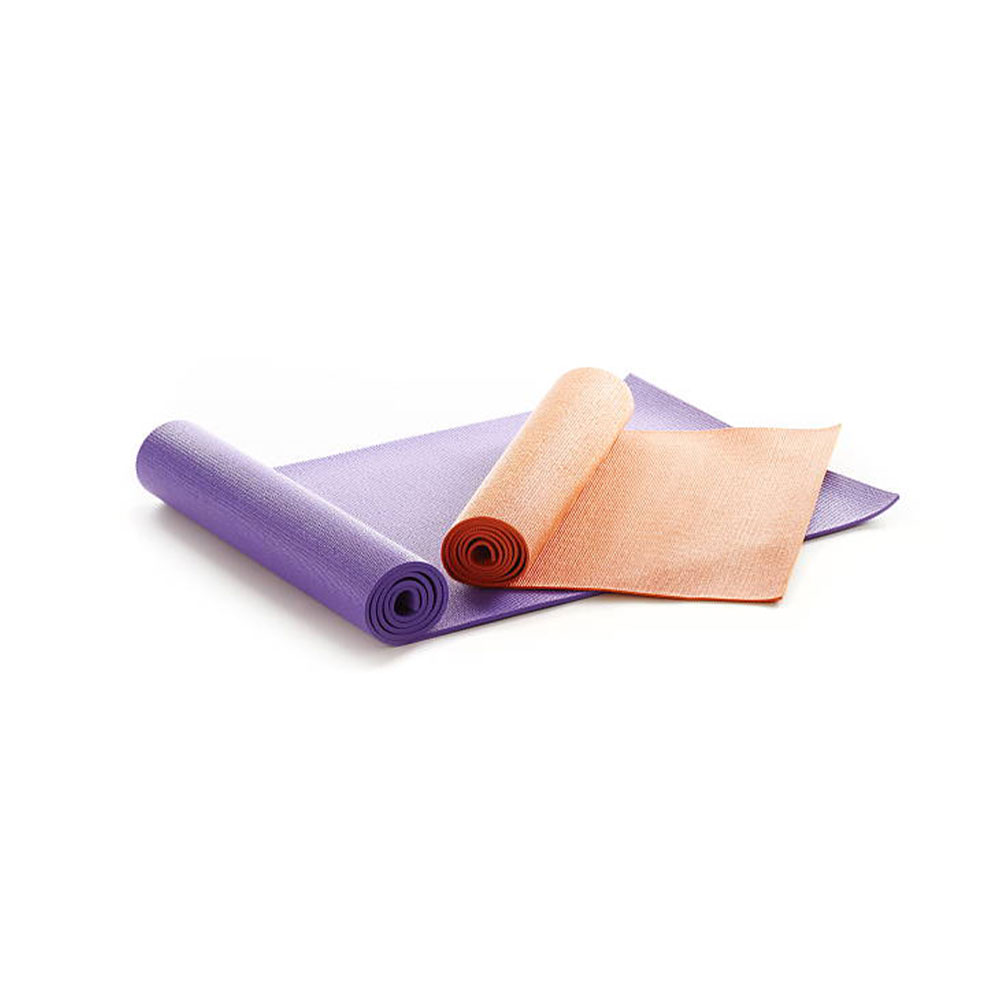
At the same time, consumption patterns are evolving. Consumers are shifting from viewing yoga as a simple workout to seeing it as an investment in both physical and mental well-being. This mindset change has led to increased demand for high-quality, safe, and eco-friendly products—areas where Jiangsu Huayi Sports Technology Co., Ltd. demonstrates strong competitive advantages through its TPE yoga mats, known for comfort, stability, and reduced environmental impact.
User Insights: Diversified Demands Drive Industry Innovation
Understanding today’s yoga consumers is key to decoding the industry’s trajectory. The core demographic remains women aged 25–45 in first- and new first-tier cities, typically well-educated and with strong purchasing power. However, emerging user groups are reshaping the demand landscape.
Stressed professionals—particularly men—are turning to yoga to counterbalance high-pressure work environments. Meanwhile, seniors are adopting yoga as a low-impact solution for joint health, rehabilitation, and chronic condition management. Postnatal women represent another important segment, seeking both physical recovery and emotional support through specialized yoga programs.
More importantly, consumer needs have evolved beyond weight loss and body shaping. Today’s users are looking for posture correction, mental relaxation, emotional regulation, and even a sense of community and belonging. This shift has also influenced product expectations, with growing demand for multifunctional, ergonomic, and sustainable accessories such as EVA foam rollers for muscle recovery and supportive mats that enhance safety during practice.
Industry Ecosystem: Fragmentation and Differentiation
The yoga industry in China is characterized by a highly fragmented and competitive landscape. Various business models coexist, each targeting different segments of the market.
Traditional offline studios remain a central pillar. Large chain brands dominate the premium segment through standardized operations, strong branding, and upscale environments. Boutique studios and independent instructors, meanwhile, are gaining traction by offering specialized classes and personalized experiences.
On the digital front, online platforms have become indispensable, offering flexibility and accessibility to a broader audience. The integration of online and offline services is increasingly becoming the norm.
Parallel to service innovation, the manufacturing sector is undergoing its own evolution. Jiangsu Huayi Sports Technology Co., Ltd. stands out by offering a diversified portfolio that extends beyond yoga mats to include EVA foam rollers, camping moisture-proof mats, garden kneeling pads, and protective knee pads. This cross-application expertise allows the company to serve not only the yoga market but also outdoor, rehabilitation, and industrial sectors—enhancing its resilience and scalability in a competitive environment.
Challenges Beneath the Growth
Despite its impressive expansion, the yoga industry faces several structural challenges.
Homogenized competition remains a key issue, with many studios offering similar classes and experiences. Additionally, the reliance on prepaid memberships creates financial vulnerabilities, while the shortage of highly qualified instructors leads to inconsistent service quality.
From a product perspective, increasing regulatory scrutiny and consumer awareness around environmental impact are raising the bar for manufacturers. Companies must now ensure that materials are safe, durable, and sustainable. Jiangsu Huayi Sports Technology Co., Ltd. addresses these concerns through its focus on TPE and EVA materials, which are widely recognized for their eco-friendly properties and versatility across applications.
User retention is another challenge, requiring both service providers and product manufacturers to continuously innovate and deliver value.
Future Outlook: Technology, Segmentation, and Ecosystem Integration
Looking ahead, the yoga industry is poised for continued transformation.
Technology will play a central role, with innovations such as AI-powered posture correction and smart yoga equipment enhancing user experience. These advancements will also drive demand for high-performance materials that can integrate with smart features—an area where material-focused manufacturers can further expand their capabilities.
Market segmentation will deepen, creating opportunities in niche sectors such as senior wellness, rehabilitation, and mental health. At the same time, the integration of yoga into the broader “greater health” ecosystem will accelerate.
In this context, companies like Jiangsu Huayi Sports Technology Co., Ltd. are well-positioned to benefit. Their commitment to environmentally friendly design, combined with a wide-ranging product portfolio—from yoga mats to functional foam solutions—enables them to adapt to diverse market needs while aligning with global sustainability trends.
Conclusion
As China’s yoga industry evolves from rapid expansion to refined development, its focus is shifting from physical transformation to holistic well-being. This transition is not only reshaping consumer behavior but also redefining the roles of manufacturers and service providers within the ecosystem.
For enterprises, long-term success will depend on innovation, sustainability, and the ability to meet increasingly sophisticated demands. Jiangsu Huayi Sports Technology Co., Ltd., with its strong emphasis on eco-friendly materials, product diversity, and cross-industry applications, exemplifies how manufacturers can move beyond traditional roles to become key enablers of the modern wellness economy.
In the journey from “body shaping” to “mind cultivation,” the fusion of industry growth and enterprise innovation is set to unlock the next wave of opportunities in this dynamic billion-dollar market.
Jiangsu Huayi Sports Technology Co., Ltd.
Jiangsu Huayi Sports Technology Co., Ltd.
+ +86 13773292996
tang@veryoga.com
Legal Disclaimer:
EIN Presswire provides this news content "as is" without warranty of any kind. We do not accept any responsibility or liability for the accuracy, content, images, videos, licenses, completeness, legality, or reliability of the information contained in this article. If you have any complaints or copyright issues related to this article, kindly contact the author above.
